



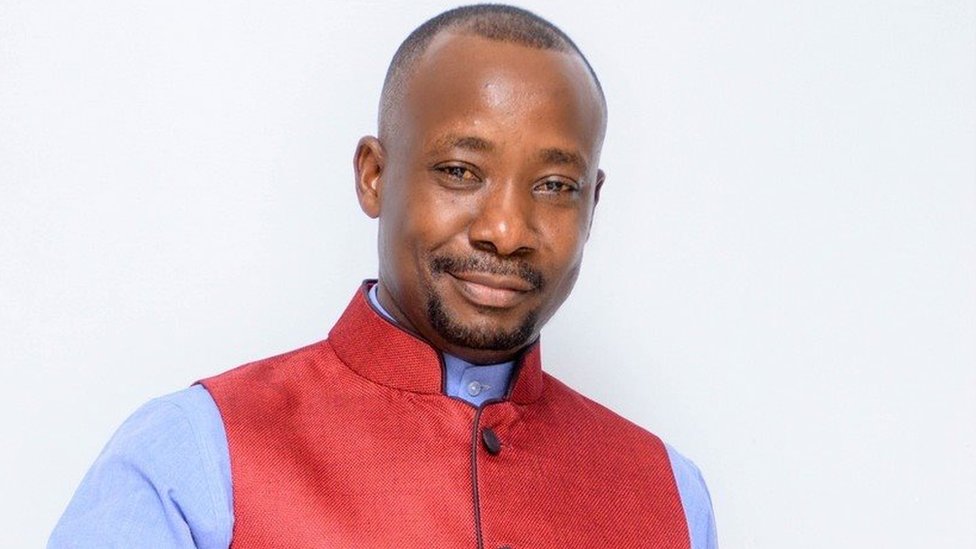
Dar es Salaam — After six months of uncertainty, members of the Glory of Christ Tanzania Church — widely known as Ufufuo na Uzima — can return to worship following a government directive issued by the Prime Minister Mwigulu Nchemba on Monday, November 24, 2025, to reopen the church under strict supervision.
The move, announced by the country’s top leadership, signals a major easing of tensions between the state and the church. Authorities had deregistered the institution in June 2025 over accusations that its leader, Bishop Josephat Gwajima, blurred the line between faith and politics.
Gwajima, once the Member of Parliament for Kawe, was at the center of a debate about how far religious leaders can go in political expression without violating registration conditions.
A conditional pardon
Speaking in Dar es Salaam on November 24, 2025, Prime Minister Mwigulu Nchemba said the President had chosen to extend a pardon to religious groups that had recently found themselves at odds with the government.
“Honorable Minister of Home Affairs, I recognize you are here; after this, follow up on a good procedure, create a good procedure to rewrite the codes for religious institutions, where their registration conditions reach, and for those that had problems, give them 6 months of supervision,” he said. “I recognize there was this one of Ufufuo na Uzima, go and open it. Open it, give them conditions of supervision within 6 months.”
Under the new arrangement, the church regains its legal standing but must operate under close government watch for half a year to ensure it complies with all registration rules.
More Read

Months of friction
The original shutdown on June 2, 2025, left the congregation in turmoil and set off a wave of frustration among followers who argued the decision violated their right to worship.
In response, 52 church leaders and congregants took the matter to court, filing lawsuits against the Attorney General and the Inspector General of Police. They challenged both the ban on their worship activities and the deregistration itself.
Their efforts, however, ultimately stalled. The cases failed to overturn the government’s decision, leaving congregants without a clear path forward — until now.
Individual versus collective responsibility
In his address, Prime Minister Nchemba emphasized the importance of distinguishing a leader’s actions from the rights of ordinary believers. He argued that blanket punishments harm citizens who simply seek a place to worship.
“If one person makes a mistake, the procedure of closing everything has harm for many citizens. Because worship is a communion between a human and God, not with his Bishop nor his Sheikh; it is a relationship between a human and his God,” he said. “Go and look closely at that section; if a Sheikh makes a mistake, the mosque should not be punished, and if a bishop makes a mistake, his believers should not be punished. His believers should not be denied [the right] to conduct worship, to have communion with their God.”
While the directive has brought relief to congregants, the six-month supervision period shows the government is still wary. The coming months will test how the church leadership adapts to the conditions set out for them — and whether the government’s broader push to revise oversight of religious institutions will help avoid similar clashes in the future.