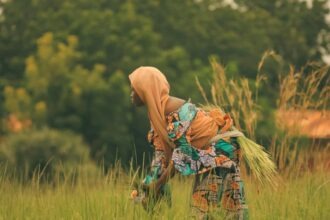



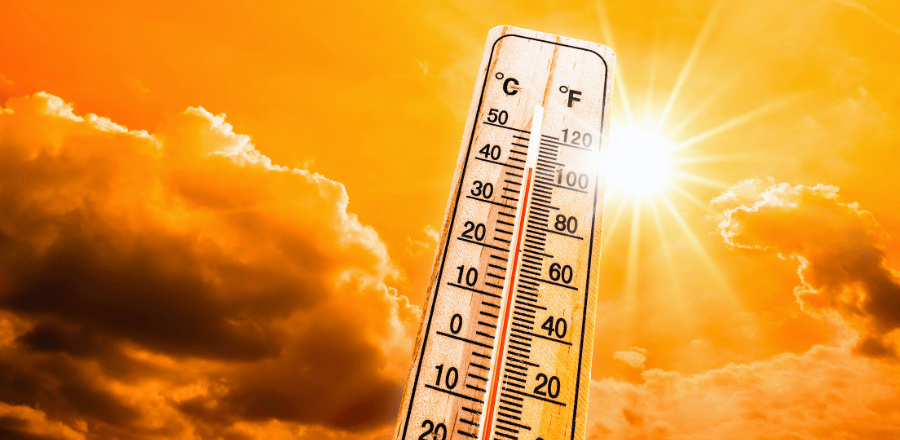
Residents of Dar es Salaam are navigating a severe surge in heat, with temperatures hitting 34°C (93°F) on February 10, 2026. For many Tanzanian women, this is a daily struggle for health, safety, and economic survival.
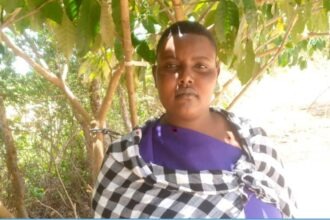
The intense sun often disrupts the ability of residents to manage their households, as Rausath Sued, a mother of two residing in Buza, explained in a recent interview with our reporter. She noted that women can experience a difference from men due to “mood swings” caused by the climate change impacts.
“Especially when you are at home implementing your responsibilities—you have washed, mopped, and cleaned dishes—and the weather is just intense heat,” Ms Sued said. “You can feel as if the world has overwhelmed you. You feel like you are losing your mind because of how the weather is… you feel as if you are burning”.
Beyond the psychological toll, the heat has forced an expensive change in household habits that many families simply cannot afford.
Ms Sued emphasized that the increased heat requires bathing in the morning, afternoon, and at night, which rapidly consumes limited resources.
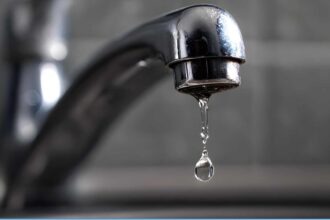
“Now, for that water usage, won’t you have used three buckets for the whole day?” Ms Sued asked. “And yet your budget allows three buckets to be used for today, tomorrow, and then you fetch more water the day after. So you find it enters you into other expenditure budgets that you had not planned for”.
This is the human face of climate change in Tanzania—a reality where women, children, and special groups are disproportionately affected by shifting weather patterns. While the government has launched the Tanzania Development Vision 2050 to build a resilient nation, a massive gap in international and domestic funding threatens to leave these citizens behind.
More Read
Health Risks and the Financial Burden of Heat
The health impacts of rising temperatures are becoming increasingly severe, particularly for the most vulnerable. Dr. Muzdalifat Abeid, from Aga Khan Hospital and a Professor at the Aga Khan University, explained that high heat can lead to life-threatening complications for pregnant women.
“Extreme heat can affect them, especially women who are pregnant,” Dr. Abeid said. “They themselves personally already have enough heat from the pregnancy. Now when you look again at the weather being hot, it increases their condition… extreme heat even affects the growth of that child”. She added that studies from abroad have shown that extreme heat can lead to premature births or children dying in the womb.
In the streets of Dar es Salaam, students are also forced to alter their lives to survive the sun. Veronica Ezekia from School of Journalism and Mass Communication told Nijuze that the climate is interfering with her education because the sun is too fierce to walk in during the day.
“The heat is so extreme that even getting sleep takes time… it also affects me because I find myself most of the time not going to college for afternoon sessions,” Ms Ezekia noted. “If the period is in the afternoon at 2:00 PM or 3:00 PM, I can get ready very well but when I want to leave, the sharpness of that sun and heat makes me cancel”.
Victoria Kavishe, a resident in Mikocheni added that the weather forces her to choose between her health and her wallet when she needs to attend her classes early. “The sun now is hotter, and when the sun is hotter like this, a person cannot walk on foot from one place to another,” Kavishe explained. “So it will force you to use alot of money… here it is better to take a Bolt. Now, in that process of ‘Bolting,’ you find yourself already having used a large amount of money”.
For many women, the heat also turns biological processes into a financial “test,” as Ms Sued pointed out that sanitary pads become unbearable and expensive in high heat. She stated that “you feel as if you are burning” and that while she can afford them, not every woman can spend 4,000 TZS every month on pads.
More Read
Vision 2050 vs. The Trillion-Dollar Finance Gap
To combat these challenges, the Tanzania Development Vision 2050 sets targets to transform the country into an upper-middle-income nation with a one-trillion-dollar economy and a per capita income of $7,000. The vision aims to ensure a “high quality of life and well-being for all,” including universal access to safe water and a “nation that is climate change resilient”.
However, the Adaptation Gap Report 2025 reveals a grim global picture where the money needed for these dreams is simply not arriving. While developing countries like Tanzania need between $310 billion and $365 billion per year by 2035 for adaptation, international public finance flows fell to $26 billion in 2023.
The report warns that the “adaptation finance gap is not reducing” and is currently 12 to 14 times greater than the funds actually provided by developed nations. Without this money, the infrastructure and social protections promised in Vision 2050 may remain unreachable.
Accountability and the Struggle for Support
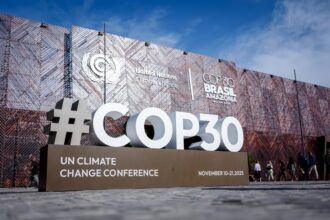
Government officials acknowledge the need for gender-specific climate support, but the developed nations obliged to provide funds for climate adaptation in the developing nations came again short in funds at the COP30, held in Belem, Brazil.
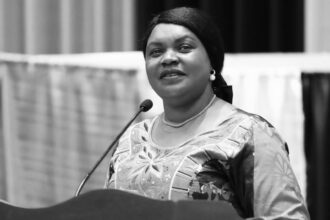
Evansia Athanas Shirima, a Gender and Climate Change Focal Point with the Vice President’s Office, told Nijuze that Tanzania is advocating for projects to help communities endure the changing climate.
“We as a country are looking for adaptation projects—that is, we are looking for them to get funding or if there is support coming, it should be able to look at projects that focus on projects for enduring climate change,” Shirima said.
“For African countries, women, youth, and special groups are affected more. Therefore, developed countries are responsible for helping these groups, especially those who are most affected”.
However, she noted a struggle with the international community regarding who should fund the gender-specific climate adaptation finance.
“Debates are ongoing, particularly in our continued struggle because the Global Community has also been difficult. They argue that everyone is responsible for the issue of addressing climate change, not just them alone, because they already provide significant funding for various development projects.” Shirima stated. “Why are we asking them for money to support gender issues?… It has been a bit of a debate on the issue of ‘means of implementation’ for gender issues”.
While the government has initiated projects like the Standard Gauge Railway and Bus Rapid Transit to reduce emissions, Dr. Abeid noted that mental health lags behind in the national strategy despite ongoing disasters like droughts and water shortages.
“These [disasters] are ongoing but there is no strategy that is very clear to help these people because I also think awareness is low,” Dr. Abeid explained. “People do not understand that people living in environments hit by these disasters every day are affected psychologically… also, the specialists we want are not enough in the country”.
As heatwaves intensify, the disconnect between grand long-term visions and the immediate, underfunded needs of Tanzanian women remains unresolved.
Whether the government can bridge the gap between its one-trillion-dollar dream and the daily reality of a woman struggling to afford water in 34°C heat is a question with no clear or immediate answer.