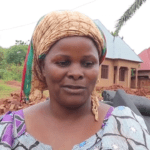


Kigoma, Tanzania – “The people of Kihomoka have suffered greatly, the main issue is water, we women are struggling,” Debora Kayaga, a resident of Kihomoka village in Kakonko, told Nijuze Reporter on December 11, 2025.
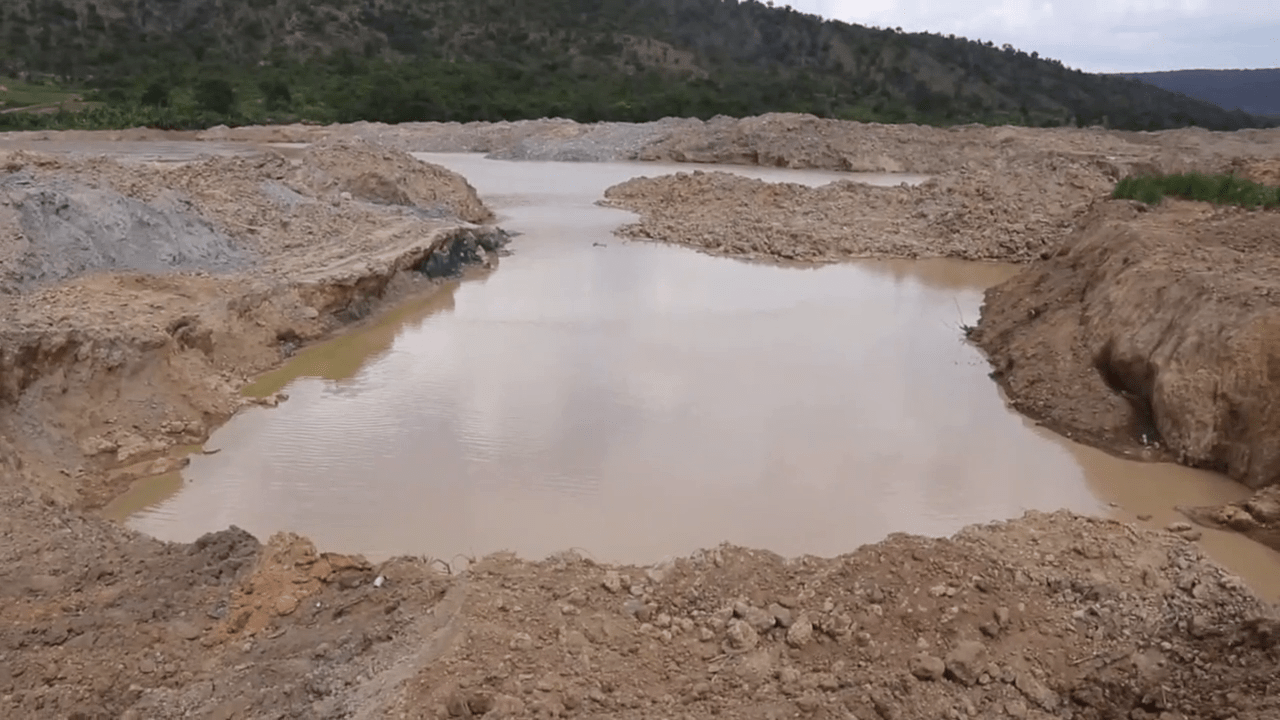
Her statement highlighted a critical challenge where the pollution of the Mwiruzi River by a local mining operation intensified an existing water shortage aggravated by drought conditions.
Ms. Kayaga revealed the seriousness of the deep toll on daily life, explaining that the scarcity of clean water was forcing difficult choices on families: “Children will end up going to school without bathing.”
She added that the damage extended beyond human welfare to livelihoods, pointing out that livestock were dying: “Cows are dying, every day cows are dying, many cows have died here, because of this water, and cows themselves are supposed to use clean and safe water”.
This confluence of man-made environmental damage and natural climate pressures in Kakonko demonstrates a nationally documented pattern. According to Tanzania’s National Climate Change Response Strategy (2021-2026), climate change affects men and women differently, with risks increasing women’s burden due to the necessity of “walking long distances to unsafe places to fetch water”.
More Read
Crisis at the polluted Mwiruzi river
The crisis impacted residents of Nyamwilonge, Kihomoka, and Nyamtukuza villages in the Kakonko district after mining activity at Nyamwilonge contaminated the Mwiruzi River.
Magele Muvumbi, a resident of Nyamtukuza village, stressed the combined environmental challenges in their surroundings, “The main problem is water, and drought is included, right now people are not bathing, where do we bathe? The river is polluted”.
In a public directive issued on December 11, the Kigoma Regional Commissioner, Simon Sirro, moved to halt the activity, ordering the suspension of the mining.
Sirro directed security forces to secure the area, stating: “Police, Army, Security, see how you will organize yourselves to protect those areas to ensure that mining does not happen there again”. The decision was made “in good faith because if we leave it like this, people will invade there, it will be chaos, we will come to find people have died there later, the government will be blamed,” the RC explained.
Furthermore, the Regional Commissioner instructed the investors to: “level those pits, return the soil, restore the river to its original state”.
Bona Mremi from the Lake Tanganyika Basin Authority explained the ongoing investigative efforts, noting that they had taken “three types of samples: there are samples that are visually apparent, they call them physical, but there are also biological samples and there are chemical samples”.
Mr. Mremi noted that the physical and biological samples were to be tested in Kigoma, but that the chemical samples had been sent to the main laboratory to determine “if there will be any type of poison, it will be visible in that large sample that has gone for testing”.
More Read
Climate’s unequal burden
The struggles of women in Kakonko are directly tied to the vulnerabilities outlined in Tanzania’s national climate planning. The National Climate Change Response Strategy (2021-2026) explains that climate risks, besides increasing the distance women must walk for water, also lead to “increased duties for family care owing to men’s migration to urban areas in search of new jobs and income” when environmental pressures hurt local livelihoods.
In its Nationally Determined Contribution (NDC) submitted in July 2021, the Tanzanian government acknowledged that the country is “already affected by climate change and variabilities, with extreme events such as droughts and floods causing major economic costs, reducing long-term growth, and disrupting livelihoods of both rural and urban communities”.
These impacts directly affect crucial sectors such as agriculture and water resources, threatening the stability of rural communities.
Policy calls for gender-responsive action
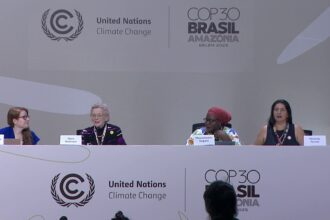
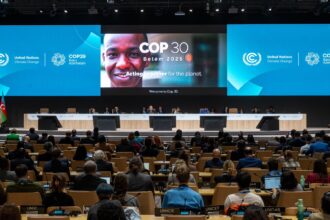
Globally, the necessity of addressing these differentiated impacts is gaining policy traction. A draft decision on gender and climate change, proposed at COP 30 in November 2025, specifically acknowledged that “differentiated impacts of climate change and opportunities for all women and girls, including Indigenous women, and women from local communities… are shaped by multidimensional factors”.
The proposal further affirmed that “gender-responsive implementation and means of implementation of climate policy and action can enable Parties to raise ambition, as well as enhance gender equality”.
This focus aligns with the findings of the UN Environment Programme’s Adaptation Gap Report 2025, which projects that climate change “will affect the poorest and most vulnerable people the most in relative terms”.
While Tanzania has affirmed the need for gender mainstreaming in its own strategies, global action on the core problem—emissions—remains insufficient. The UNEP Emissions Gap Report 2025 warned that global efforts are “Off target,” and that “Continued collective inaction puts global temperature goal at risk”.
As local officials work to enforce the suspension and restoration of the river in Kakonko, the water crisis remains a severe, local illustration of how both the failure to regulate local industry and the failure of global climate mitigation exacerbate the existing, unequal burdens on Tanzanian women.