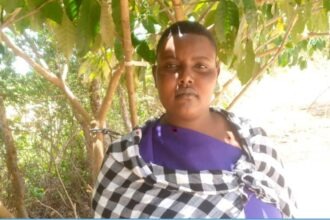


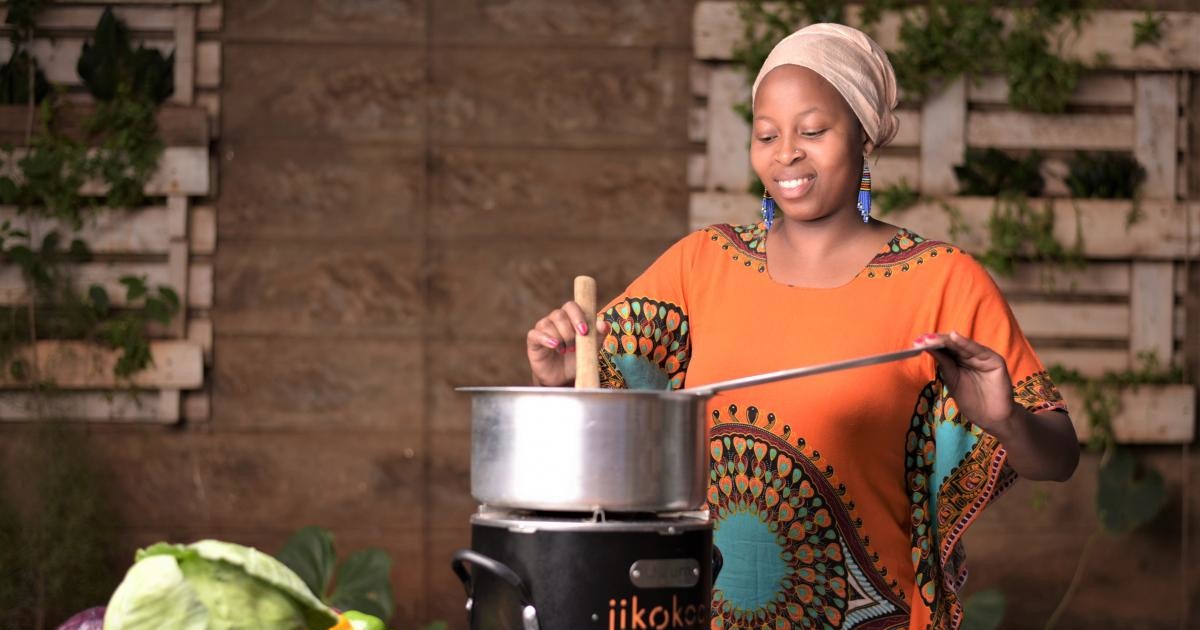
The daily choice between using charcoal or gas is a financial balancing act for many Tanzanians. For women like Adela Madyane in Kigoma, the shift to clean energy is not just about the environment but about whether they can afford to cook their next meal.
In an interview with Nijuze, Adela explained that while she has a gas cylinder, she often uses it only for small tasks like making tea or boiling vegetables. “I don’t use it for heavy cooking like ugali or beans,” she said. “I am afraid that if it runs out quickly, I might not have the money to refill it.”
This tension between climate goals and household budgets sits at the heart of Tanzania’s development path. While global experts and government officials discuss multi-billion dollar climate gaps, the reality for citizens is measured in the price of a single refill.
More Read
The Financial Barrier to Clean Energy
The struggle to afford gas is a common experience among these women. Adela Madyane suggested that the government should create a system where gas can be purchased in small amounts, similar to how charcoal is sold in small portions. “Let the gas be available from 500 TZS or 1,000 TZS,” she noted, emphasizing that while cylinders are sometimes provided for free, the cost of the fuel refill remains the obstacle.
In Mwanza, Elidaima Kimaro shared a similar perspective. Although she finds gas more convenient and faster than charcoal, she avoids using electricity for cooking. “In my opinion, electricity is expensive,” Elidaima said. “If I cook with electricity, I feel like I am entering a double cost by buying electricity twice a month.”
Elidaima also pointed out that reliability is an issue, noting that she cannot depend solely on electricity because it frequently goes out. She stressed that for clean energy to be viable, the costs of refilling gas cylinders must be reduced to make them more accessible to the average person.
Health and Time Benefits of Gas
Despite the costs, those who can access clean energy report significant improvements in their quality of life. Rachel Nzengo, speaking to Nijuze from Dar es Salaam, highlighted how gas has simplified her life compared to the “old days” of using charcoal stoves.
“I can cook many things in a short time,” Rachel explained, noting that she no longer has to wait for charcoal to light or deal with smoke spreading through her house. She argued that the health benefits are a major advantage, citing that experts have linked non-clean energy sources to various diseases.
Rachel urged others to switch to clean energy to help “slow down climate change” and reduce the cutting of trees. She noted that while education is needed to encourage people to move away from unsafe energy, the benefits of clean energy far outweigh the disadvantages.
More Read
National Visions and Global Gaps
These individual struggles are part of a much larger global and national picture. The UNEP’s Adaptation Gap Report 2025, titled “Running on Empty,” reveals that the world is attempting to build climate resilience without the necessary funding. International public adaptation finance to developing countries reached approximately US$28 billion in 2022, but the report indicates a massive gap remains.
Tanzania’s own Development Vision 2050 sets an ambitious goal to become an upper-middle-income country with a one-trillion-dollar economy. The Vision identifies environmental integrity and climate change resilience as a key pillar, noting that climate change disproportionately affects sectors like agriculture and water, which are the backbone of the country’s economy.
At a press conference held at the State House on February 16, 2026, the Minister of Foreign Affairs, Mahmoud Thabit Kombo, emphasized that Tanzania must stop being dependent on the outside world for climate solutions.
Speaking about President Samia’s visit to Addis Ababa, he challenged African researchers to innovate locally. “How many African countries make solar panels? How many make wind turbines?” he asked, noting that Tanzania has started its own fund to implement climate solutions rather than just waiting for global debates.
Whether the ambitious goals of Dira 2050 and the local innovations called for by Minister Kombo will lower the daily costs for women like Adela and Elidaima remains a question for the future. For now, the transition to clean energy continues to depend on whether a household can afford the next refill.