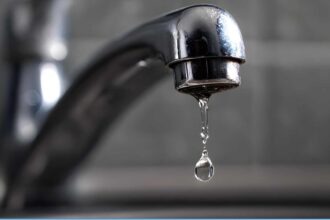


For millions of women across Tanzania, the climate crisis is not a distant policy debate; it is a daily, physical reality measured in footsteps and fatigue. As water sources dry up due to prolonged droughts and seasonal rivers disappear, women—who bear the primary responsibility for household chores—are forced to walk longer distances to fetch water.
This exposure creates severe health risks; for instance, pregnant women in Tanzania are now four times more likely to suffer from malaria than the average population, a disease whose spread is influenced by shifting climate patterns.
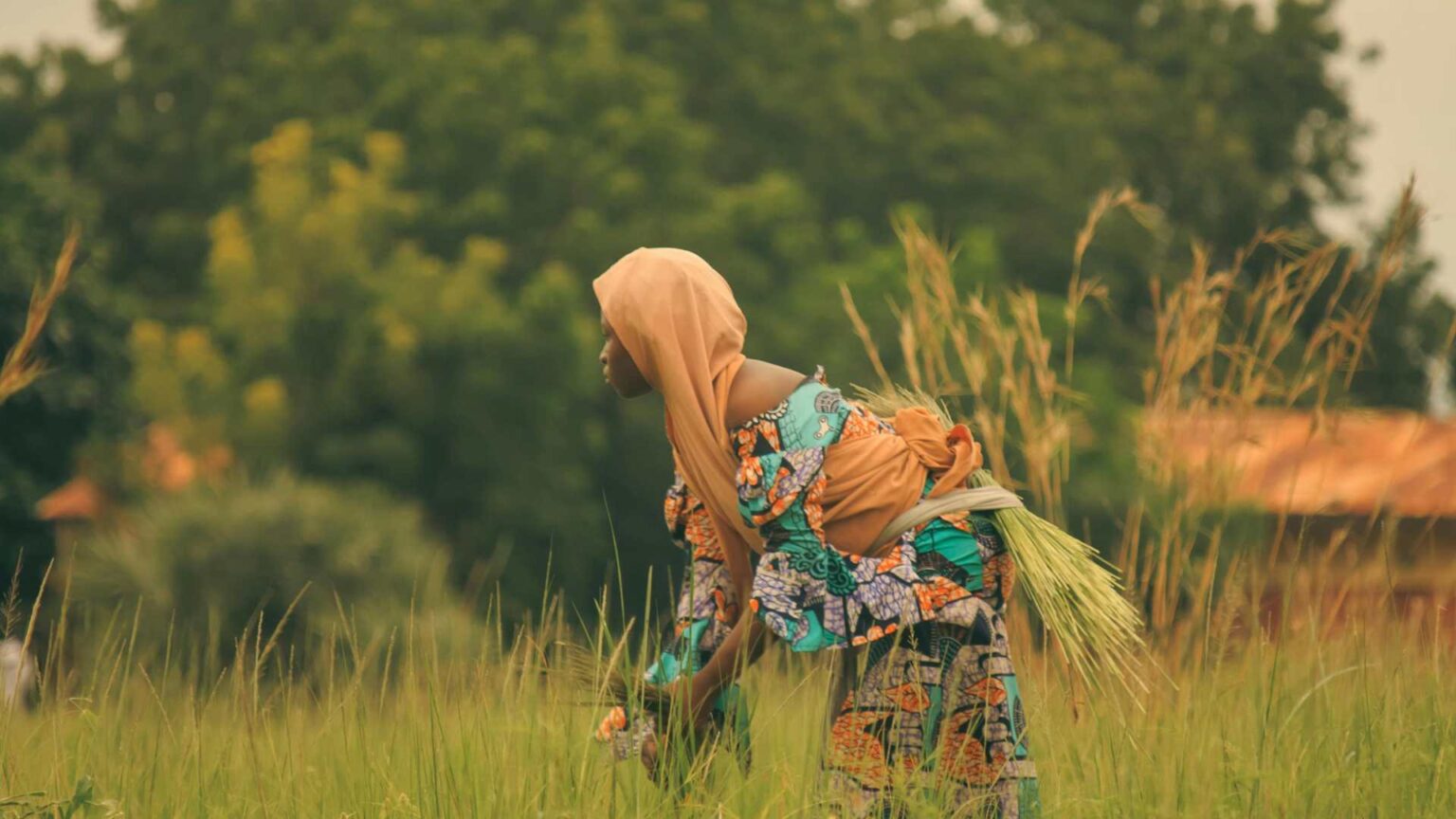
In rural areas, where agriculture supports livelihoods, frequent droughts have led to increased farming tasks for women. The social fabric is also straining; government data indicates that as men migrate to urban centers in search of new jobs after traditional farming fails, women are left with increased family care duties and face growing incidences of Gender-Based Violence (GBV).
These persistent inequalities are at the heart of the new Belém Gender Action Plan (GAP) for 2026-2034, a landmark framework adopted at the COP30 in Belem, Brazil, to guide global climate action for the next decade. This new plan acknowledges that the impacts of climate change are shaped by multidimensional factors, specifically targeting the needs of women smallholder farmers and those from rural communities.
The Belém GAP is designed to be more than just a document; it serves as a “user manual” for integrating gender equality into climate finance, technology, and capacity building.
According to Maria Matui, Executive Director of the Tanzanian NGO Women Action Towards Economic Development (WATED), this global shift is critical for Tanzania.
“GAP is a UNFCCC guideline aimed at ensuring climate policies and actions are inclusive and gender-equitable,” Matui explained in a recent interview with Nijuze. “Tanzania implements this through the National Climate Change Strategy (NCCS) and Nationally Determined Contributions (NDCs), where the GAP works to improve the well-being, safety, and economic opportunities for women and girls across the entire climate spectrum”.
More Read

Moving beyond tokenism to leadership
One of the most significant pillars of the Belém GAP is the push for women’s full, meaningful, and equal participation in decision-making. Historically, women have been viewed primarily as victims of climate change rather than architects of its solutions. The new plan explicitly calls for eliminating barriers to women’s leadership at all levels.
For Tanzania, this opens a strategic window to reshape how climate decisions are made. Matui noted that the GAP offers a chance to increase women’s representation in critical areas such as NDC taskforces, energy committees, and agriculture boards. “We are continuing to build on areas where climate change coordinators can supervise and insist on gender issues,” Matui said.
However, the path to leadership is not without hurdles. Matui pointed out that “patriarchal systems in institutions” and a “shortage of female experts in climate science” remain significant challenges. To counter this, the Belém GAP prioritizes capacity-building initiatives to enhance negotiation and leadership skills for women, particularly those from indigenous and local communities.
Unlocking finance for the most vulnerable
Perhaps the most urgent aspect of the new plan is its focus on “gender-responsive implementation and means of implementation,” specifically regarding finance.
According to Tanzania’s National Climate Change Response Strategy (NCCRS) 2021–2026, the economic stakes for Tanzania are incredibly high; national food production is projected to decrease by 8–13% by 2050 due to climate stressors , and the value of agricultural GDP loss is estimated at US$ 27 billion over the coming five decades.
The Belém GAP mandates that parties share experiences on public finance instruments, such as gender-responsive budgeting, to ensure funds actually reach women on the ground. Matui highlighted that while opportunities exist through mechanisms like the Green Climate Fund (GCF) and the Adaptation Fund, Tanzanian women often miss out.
“A very small number of women are fully reached due to barriers like lack of collateral land, limited understanding of funding procedures, and few climate projects led by women,” Matui explained. She emphasized that for the GAP to generate real results, there must be a deliberate strengthening of access to climate finance for women-led projects, community groups, and SACCOs.
More Read

Closing the data gap and ensuring safety
A critical flaw in previous climate efforts has been the lack of clear data. Tanzania currently faces a gap in the collection of gender-disaggregated data in climate sectors; the current NDCs lack sufficient gender indicators, and data on impacts on women is not coordinated.
The Belém GAP directly addresses this by requiring the enhancement of “collection, analysis, dissemination, management and use of gender and age-disaggregated data” to better inform policy.
To bridge this gap, Tanzania’s own National Climate Change Response Strategy (NCCRS) has set a target to collect, collate, and disseminate information on the differential vulnerability of climate change across genders by 2026. Furthermore, the new Belém plan introduces a vital focus on safety.
It calls for enhanced protection mechanisms for “women environmental defenders and women engaging in climate action,” acknowledging the unique threats they face. Matui echoed this concern, identifying “limited safety for women environmental defenders” as a key challenge facing the country. She argued that protecting these women through legal aid and protection systems is essential for the GAP’s success.
As Tanzania moves to implement this 10-year strategy, the stakes are high. Success will depend on moving beyond paperwork to tangible changes in the economy, health, and daily welfare of women. As Matui concluded, the goal is to ensure the GAP becomes “a tool for change in the lives of Tanzanian women and girls—not just on paper”.