

The numbers in UNEP’s Adaptation Gap Report 2025 are huge, but their impact is deeply personal. The report shows that developing countries will need up to US$365 billion a year by 2035 to adapt to climate change, yet only US$26 billion is currently being delivered.
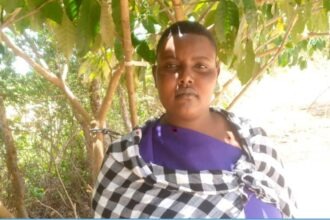
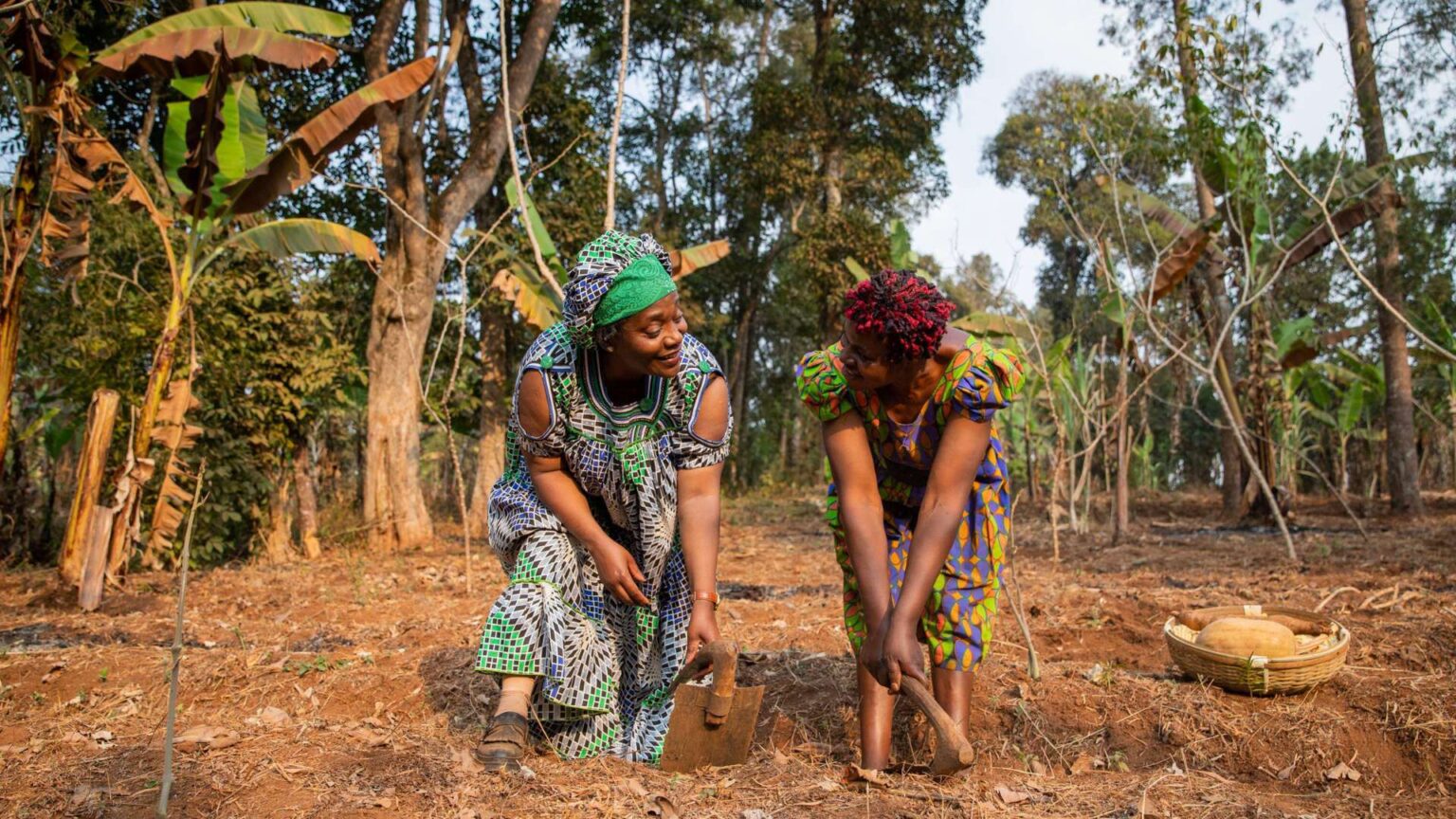
In Africa, where communities already struggle with droughts, floods and rising heat, this shortage affects women the most — especially those working the land, collecting water and caring for families.
UNEP’s analysis of more than 1,600 adaptation actions submitted under the first Biennial Transparency Reports (BTRs) shows how invisible women are in the global system. Fewer than 50 of those actions mention women at all.
Many African countries offered no gender indicators, and reporting was weakest in sectors where women face the greatest climate impacts. When women are not counted, their needs are not planned for — and their communities receive little or no funding.
“Where is the finance?”
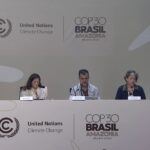
At COP30 in Belém, this gap was felt strongly by advocates on the ground. Speaking at the CAN International press conference, Marlene Achoki, CARE International’s Global Policy Lead, explained the frustration many women’s groups share.
“But where is the finance to help us implement those indicators? And that is where the fight is currently,” she said. Achoki added that gender indicators exist on paper, but there are no resources to act on them. “We want to ensure that we must secure finance, adaptation finance in particular, to help vulnerable countries to implement the indicators and follow through. The means of implementation basically is supposed to help us measure the quality of climate finance, you know, the finance flow, and also access and how it is flowing to the local level and meeting the needs of the women and girls at the local level.”
More Read
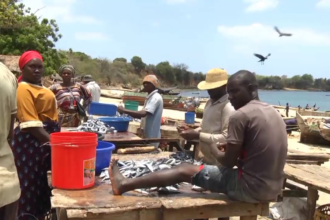
She stressed that global commitments remain far too small. “We need to ensure that the new Glasgow Climate Pact that we want to renew this year is actually well-funded, and we are asking for a doubling or the tripling of the Glasgow Pact… the US$300 billion that we adopted last year was very, very insufficient.”
Her words highlight the gap between global promises and local reality.
Gender still gets lost inside negotiation rooms
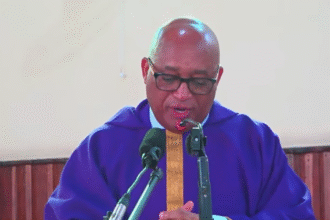
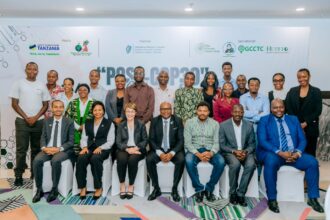
In Dar es Salaam, Maria Matui, Executive Director of Women Action Towards Economic Development (WATED), explained that the challenge often begins in the negotiation halls long before money is allocated. Speaking to Nijuze — she said, “First-hand experience shows that when gender enters the negotiation discussions, it often creates confusion. And we must remember, it is not just Tanzania — it is more than one hundred and twenty countries. When gender comes up in negotiation texts, it is often set aside or pushed to another day because we do not have a common understanding of what gender means across contexts.”
She added that Tanzania is trying to change this through its new National Adaptation Plan. “A large percentage of Tanzanians are women, youth and children… removing gender from climate adaptation would not be doing justice to our country.”
Still, she pointed to the lingering question: will the money for gender ever actually arrive?
African women remain missing in global reporting — and in funding
Matui described how difficult it has been to trace gender finance. “Unfortunately, for the past five years it was difficult to see directly where the money for gender and climate change went, and through which budget,” she said. “So last year, in 2025, they made a clear decision to create a unit within the Women and Gender Constituency, which aims to show how much financial resources have come in, where they have gone, and how they have been processed.”
A tracking mechanism revealed that even gender-tagged funds rarely reach women-led groups. “If there is this system and mechanism that has identified a certain amount of money to go to gender issues, then where is that money?” She asked.
UNEP’s data supports her concern. African States have the lowest biennial transparency reports (BTR) submission rate in the world, with only 32 per cent submitting by August 2025. Even among those that did, meaningful gender data was rare.
Gabon and Egypt produced well-structured reports, and Ghana included actions empowering women — but these examples stand alone. Many lower-income countries, where women face the harshest climate impacts, lacked the capacity to report at all, meaning their experiences are absent from the global dataset that guides funding.
More Read
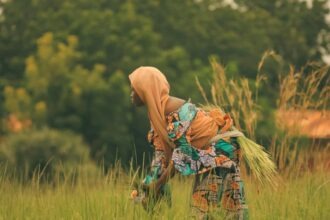
The report also shows that less than 17 per cent of global adaptation finance is directed toward local communities, even though these communities — especially women — bear the brunt of climate change. Gender is described as “weakly included” in international adaptation finance flows.
Out of all biennial transparency reports results reported globally, only 4 per cent relate to gender equality or social inclusion. Even national plans that include gender assign wildly different budgets, from 0.01 per cent to 12 per cent of adaptation needs. On average, only 2.32 per cent of adaptation finance needs are linked to gender commitments.
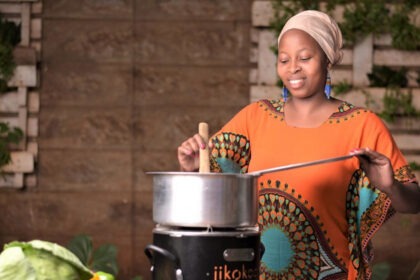
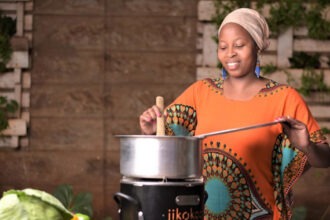
Tanzania follows the same pattern. Its policies recognise women, but the funding needed to carry out those promises remains far too small. For Tanzanian women — who grow most of the food, fetch most of the water and carry the weight of climate shocks — adaptation is not a concept. It is daily life.
As COP30 works toward defining new global adaptation indicators, including gender, there is hope that better tracking could lead to better support.
But based on the missing data, the weak financing, and the long history of unfulfilled commitments, many women and advocates fear the world may once again measure a problem it still has no real plan to fix.