


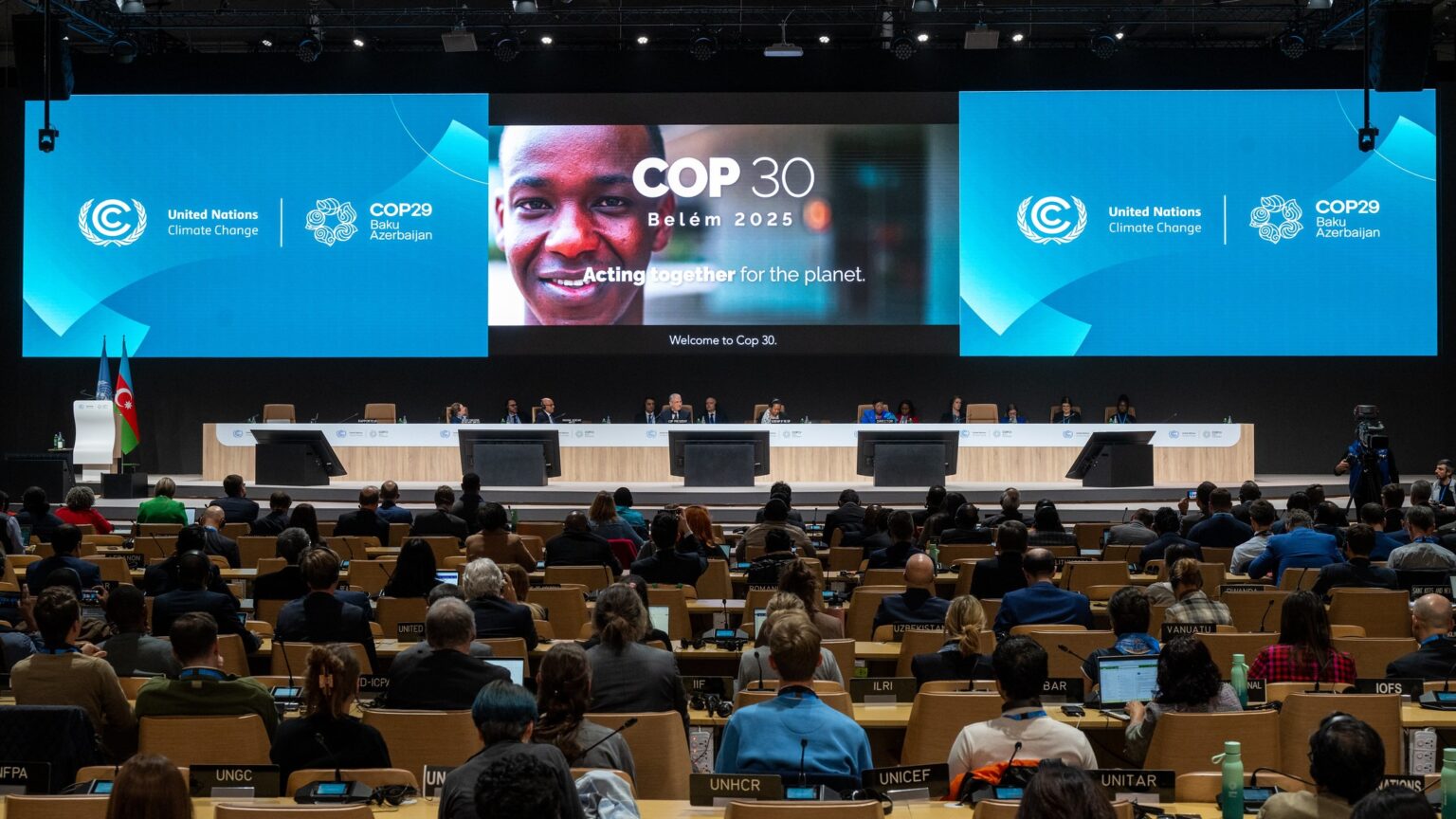
As the world gathers for the 30th United Nations Climate Change Conference (COP30) in Belém, Brazil, from November 10 to 21, Tanzania is set to take on a pivotal leadership role. The country will chair the Negotiating Council and lead the African Group of Negotiators (AGN), representing the continent’s collective voice in global climate discussions.
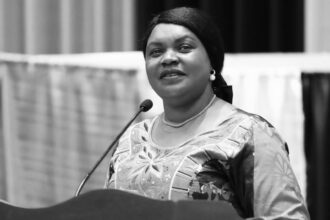
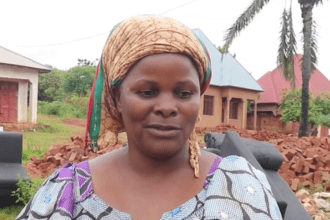
Speaking ahead of the summit, Sarah Pima, the Gender and Youth Lead Coordinator for the AGN, said Tanzania’s key priority is to secure climate financing that supports sustainable growth without plunging developing nations deeper into debt.
“Developed countries have a responsibility — this is not charity,” Pima stressed. “It’s an obligation under the Paris Agreement. They must not use financial contributions as an excuse to keep polluting. They are historically the largest emitters, while countries like ours suffer the worst effects despite contributing the least.”
Tanzania’s Expectations from COP30
Tanzania heads to COP30 with clear expectations: increased climate finance, stronger technology transfer, and greater investment in capacity building — all crucial “means of implementation” under the Paris Agreement.
“We expect more climate finance,” said Pima. “But not through loans — we need grants, funds without interest. Our country is still developing and cannot afford to shoulder more debt.”
She emphasized that equitable financing is essential to strengthen resilience across key sectors such as agriculture and water, which are already feeling the strain of shifting weather patterns.
More Read

At the same time, Tanzania hopes to channel new funding toward clean energy — a national priority that aligns with its long-term development agenda.
“One of our major achievements has been putting clean energy at the center of our national climate agenda,” Pima noted. “We expect significant support to ensure renewable energy reaches all communities so that every Tanzanian benefits.”
Developed Nations Urged to Honour Climate Finance Commitments
Under Article 9 of the Paris Agreement, developed countries are legally obligated to provide financial support to developing nations to help them mitigate and adapt to the impacts of climate change. The principle is grounded in the reality that wealthier nations bear greater historical responsibility for greenhouse gas emissions and have more resources to address the crisis.
Pima underscored that this obligation must not be treated as voluntary aid.
“Providing financial resources is a legal and moral duty,” she said. “Those countries have the means — and the responsibility — to support others because they are the biggest contributors to carbon emissions globally.”
Tanzania’s leadership at COP30 comes at a critical time for Africa, as the continent grapples with intensifying droughts, floods, and food insecurity linked to global warming. By chairing the AGN, Tanzania will be at the forefront of negotiations, amplifying Africa’s united call for fair and predictable climate financing, access to technology, and full implementation of international commitments.
As talks begin in Brazil, Tanzania’s delegation is expected to press for concrete action — not just pledges — from developed nations. For Pima, the message is clear: Africa’s voice must be heard, and its rights must be respected.
“We must continue to speak out and stand united as Africa,” she said. “Only by doing so can we secure what is fair — not just for Tanzania, but for the entire continent.”