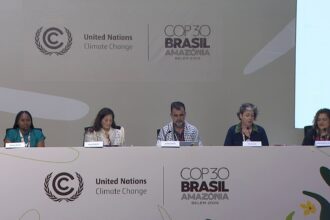


As world leaders convene in Belém, Brazil, for the COP30 climate summit, the gendered impact of climate change is drawing renewed attention. While discussions in Brazil highlight the need for inclusive policies, voices from the Global South — including Tanzania — are warning that women are already bearing the heaviest burden of a warming planet.
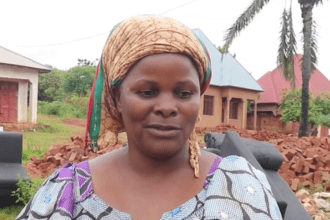
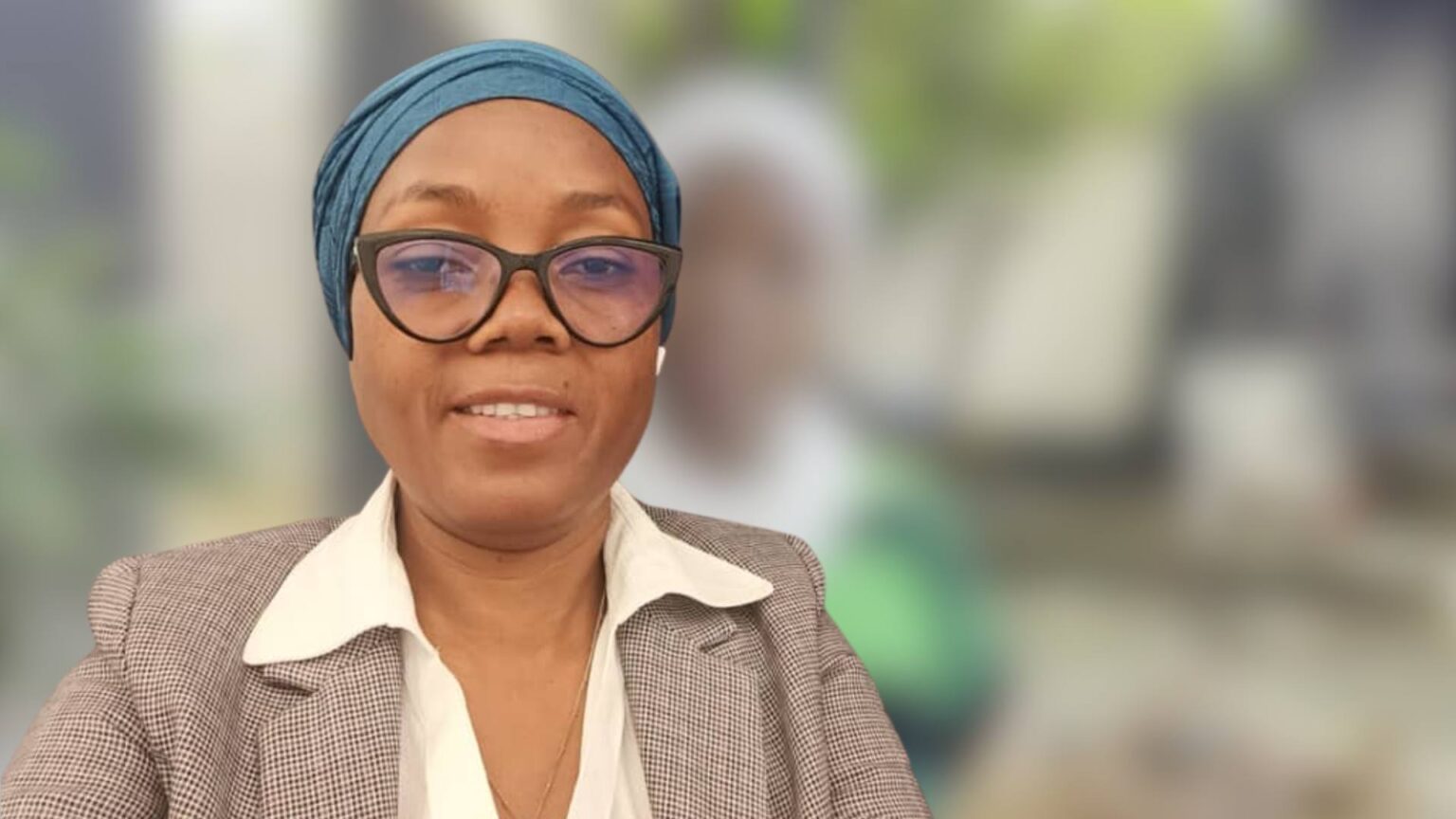
Speaking to Nijuze from Tanzania, Ms Maria Matui, Executive Director of Women Action Towards Economic Development (WATED), said the effects of climate change are far-reaching and disproportionately impact women and girls. Her insights echo calls made during COP30 for climate policies that place people — especially women — at the centre of adaptation efforts.
“Climate Change Creates Grounds for Gender-Based Violence”
Matui warned that the environmental crisis is increasingly putting women at risk in their daily lives.
“Climate change contributes to the first form of gender-based violence,” she said. “There are areas where it is dangerous for a woman to go alone, especially when fetching water. The environment has already created systems where, if a woman arrives late, she may be asked for sexual favours in exchange for access to resources. That is already a form of abuse.”
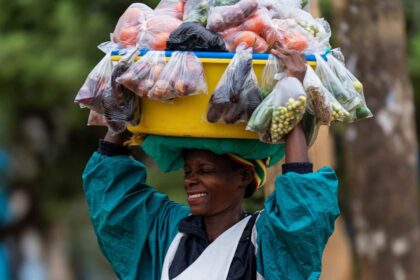
She explained that water and food scarcity have ripple effects beyond physical danger. Girls reaching puberty are often unable to attend school due to a lack of safe sanitation and privacy, effectively stripping them of their right to education.
More Read
“When food runs out, family tensions rise,” Matui continued. “We lose the ability to communicate peacefully as husbands, wives, and children. Food insecurity leads to violence and discrimination in one way or another.”
She also highlighted how women are often excluded from leadership roles because of structural barriers linked to education and poverty — both of which are worsened by climate change.
Lula: “Put People at the Heart of Climate Action”
At the COP30 opening on November 10, 2025, Brazilian President Luiz Inácio Lula da Silva urged the global community to make people — not profit — the focus of climate policy.
“I call the international community to place people in the core of the climate agenda,” Lula said. “Global warming could push millions of people into hunger and poverty, reversing decades of progress. The disproportionate impact of climate change on women, Afro-descendants, migrants and marginalised groups must be taken into account in adaptation policies.”
Lula also underscored the importance of protecting indigenous territories and traditional communities, arguing that social justice must be integral to environmental policy. His remarks mirror the concerns raised by Tanzanian advocates like Matui — that climate change will continue to harm women most unless inclusion is built into every solution.
Tanzania’s Commitment to Gender and Climate Justice
Tanzania’s stance at COP30 builds on its National Climate Change Response Strategy (NCCRS 2021–2026), which seeks to collect and share data on how climate impacts differ by gender and among people with disabilities.
Matui noted that more education is needed to help women adapt and benefit from new opportunities, such as carbon trading and clean cooking energy. “We are trying to mitigate through carbon trading,” she said. “But this could face challenges if women lack proper understanding of why we must change our energy use — to save time, reduce smoke exposure, and stop long journeys for firewood.”
As climate negotiations continue in Brazil, voices like Matui’s from Tanzania serve as a reminder: climate change is not gender neutral. Without women’s full participation and protection, the world risks fighting one crisis while deepening another.