




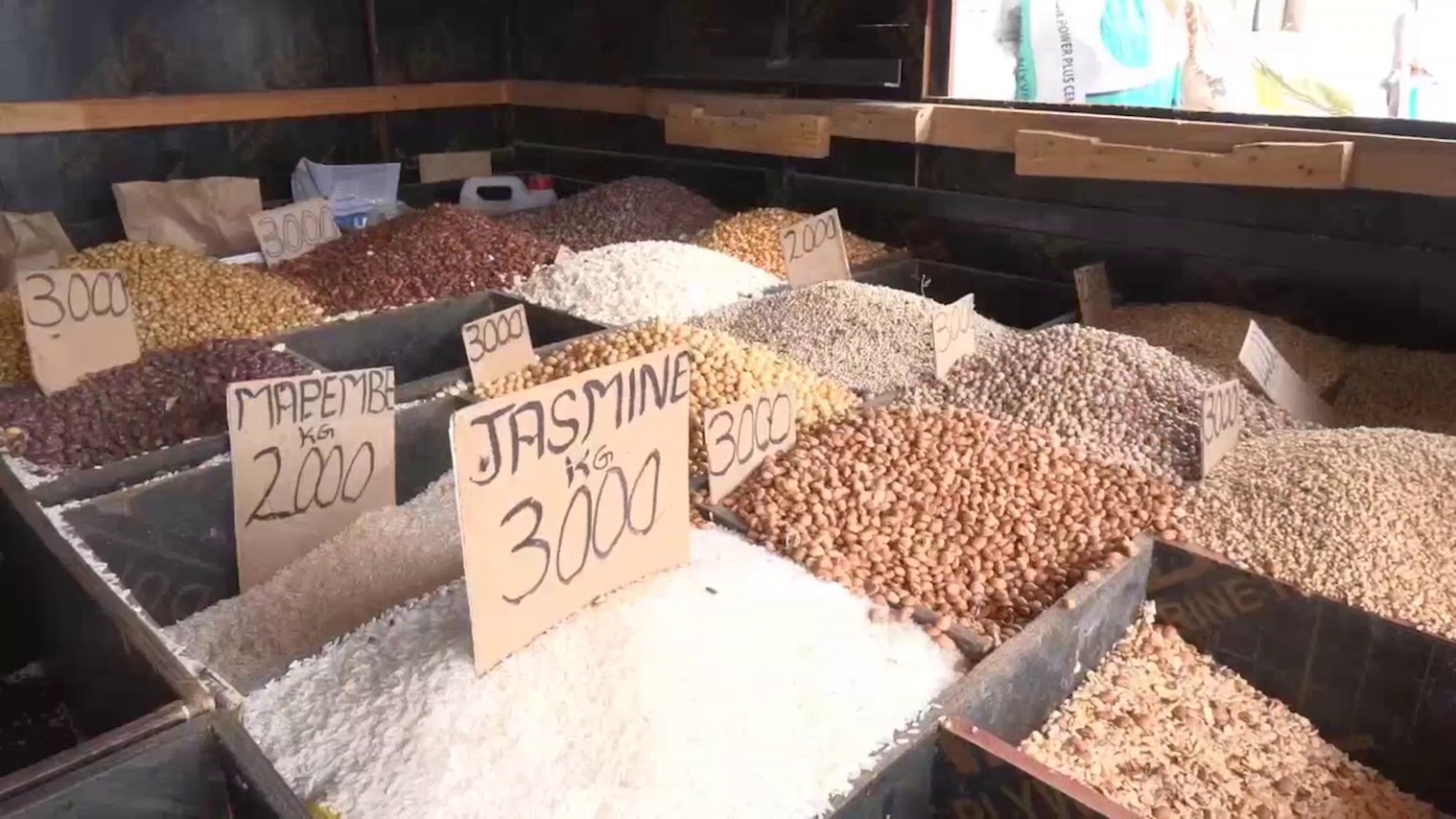
When the Zanzibar Ports Corporation (ZPC) announced an 80% reduction in wharfage fees for imported food products this week, many island residents breathed a sigh of relief. After weeks of prices going sky high and shortages due to the suspension of services in mainland Tanzania following the election unrest on October 29, 2025, the decision is being hailed as a lifeline for both traders and ordinary citizens.
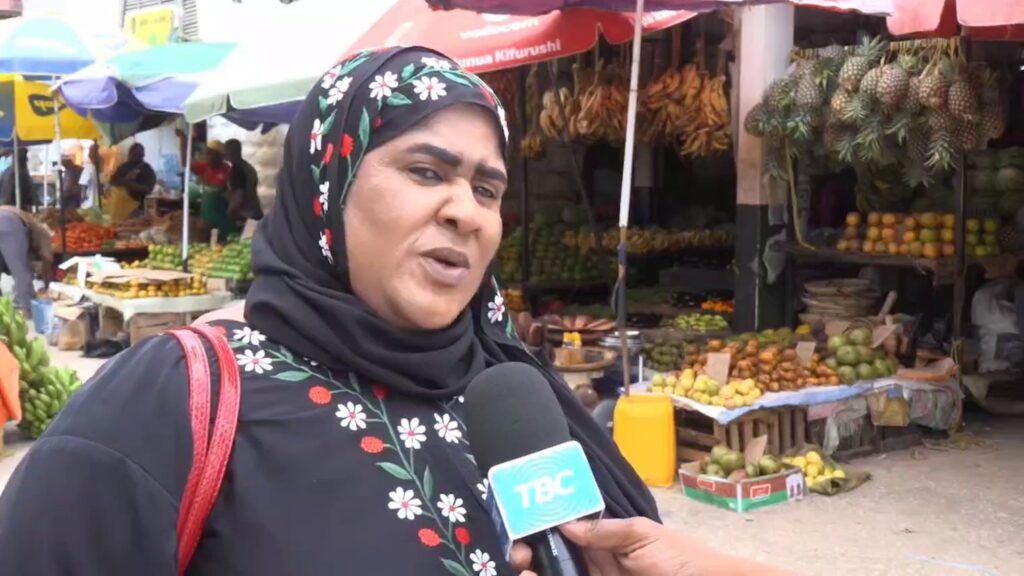
At the bustling Darajani Market in Unguja, Radhiq Nassor Alawi, a local resident, said the move had brought new hope to many families struggling with high costs.
“This really makes us happy as Zanzibaris because food prices had become too high. Many of us, especially those with limited means, were finding it hard to afford basic goods. We thank our Revolutionary Government for making things easier,” She said on November 11, 2025.
The Zanzibar Ports Corporation confirmed that the 80% reduction in wharfage fees applies to all food products entering the islands through its managed ports — including Malindi Port and other facilities under the Zanzibar Multipurpose Terminal.
ZPC Director General Akif Ali Khamis said the decision was meant to cushion citizens from the ripple effects of inflation.
“We are offering an 80% reduction in wharfage for all imported food items entering Zanzibar through our ports,” he announced on November 12, 2025, adding that the measure aims to “support access to affordable food during this challenging period.”
The move follows economic disruptions on the Tanzanian mainland after the October 29 election unrest, which temporarily halted cargo transport and caused food prices to spike in Zanzibar. Much of the island’s staple food supply comes from mainland Tanzania.
More Read

Local traders say the sudden inflation had severely affected their businesses. Seif Khamis Ali, a trader at Darajani Market, described heavy losses after supply chains were disrupted.
“Many of us suffered huge losses because the price surge came suddenly. Goods we had already shipped through agents were delayed or stopped entirely,” he said.
For consumers, the relief at the ports could soon translate into lower prices in shops and markets. Mohamed Ali Mohamed, another resident, praised the government’s decision as “a sign of care” from Zanzibar’s leadership.
“This action shows the compassion of our leader, President Dr. Hussein Ali Mwinyi, toward improving citizens’ lives,” he said. “For us as consumers, it will make these essential products more affordable and easier to access.”
However, some traders hope the fee reduction period could be extended. Juma Keis Kisakasaka, also from Darajani, urged authorities to lengthen the initiative slightly.
“If they could add about three more weeks, that would really help us meet demand,” he said.
As the measure takes effect, market watchers say the coming days will reveal how quickly the reduction trickles down to food prices. For now, the mood in Zanzibar’s markets is one of cautious optimism — a mix of gratitude and hope that this intervention will help stabilize both household budgets and small businesses.