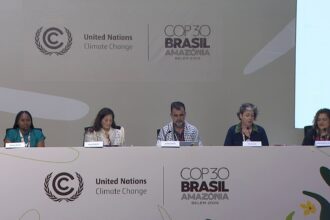


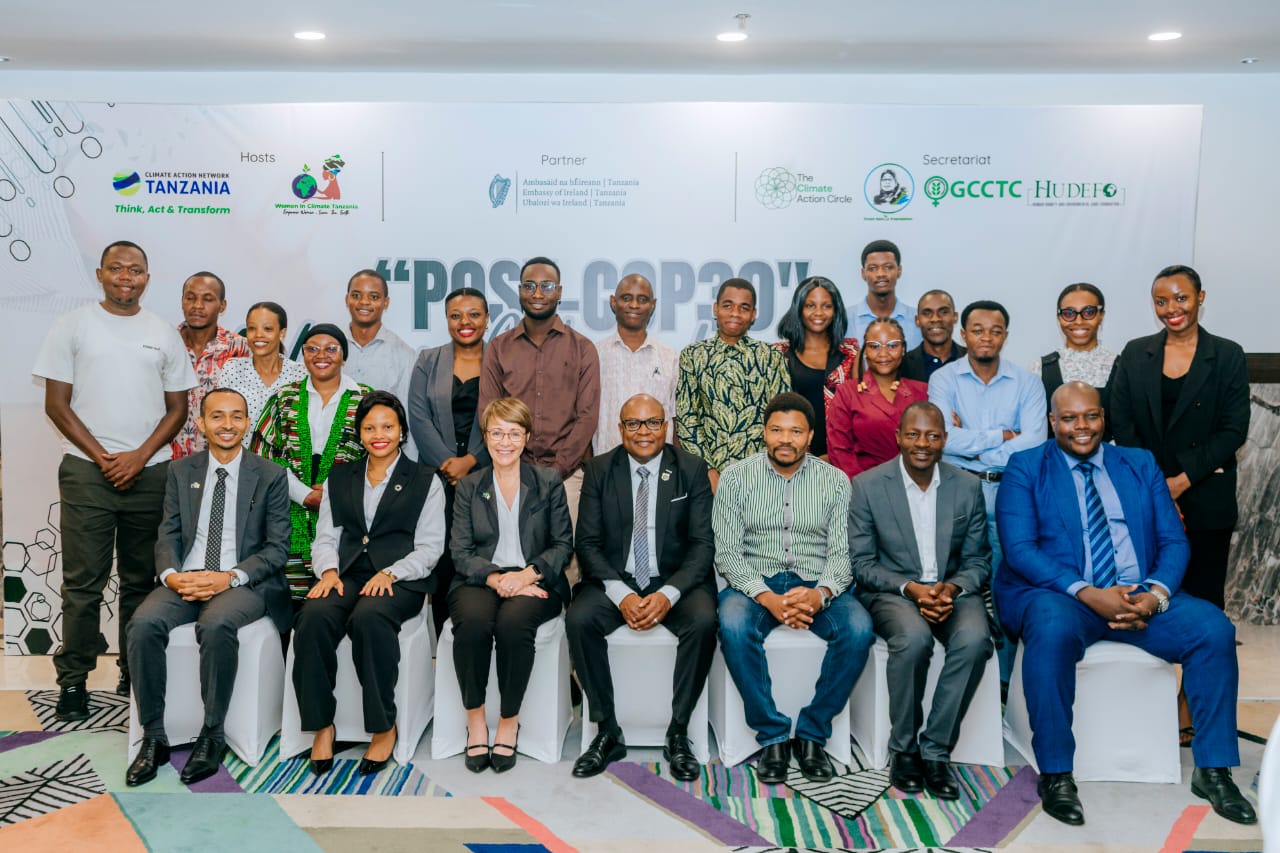
The conversation around the climate crisis in Tanzania has moved from general awareness to a demand for local results. During the CAN International Post-COP30 Forum held in Dar es Salaam on February 16–17, 2026, the focus was placed on the lives of women and youth.
The two-day event served as a hub to translate global goals into local realities, emphasizing that for the most vulnerable to survive, the movement must move “from visibility to systems.”
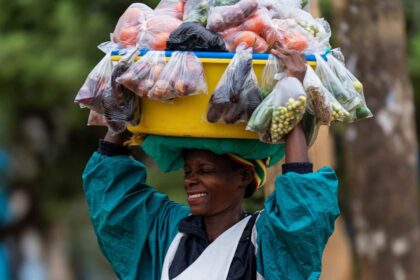
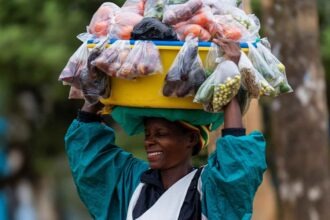
For a Mama Lishe or farmers on the frontlines of environmental change, the gathering highlighted that development pressures are mounting too quickly for a casual approach. Participants argued that the time for “isolated support” has passed, and the future must instead be built on coordinated, national programs that protect the woman looking for fuelwood or the farmer struggling with unpredictable seasons.
This transition is tied directly to the Tanzania Development Vision 2050 (Dira 2050). As the nation prepares for COP31, the forum made it clear that national positions must be informed by grassroots realities—the lived experiences of the people—backed by hard data and technical expertise.
Closing the trillion-dollar finance gap
A major pillar of the discussion was the severe shortage of funding needed to protect communities. According to the 2025 Adaptation Gap Report (AGR), the world is “running on empty,” gearing up for climate resilience without the money to get there.
The report highlights that the finance gap for adaptation remains massive, leaving countries like Tanzania to face increasing temperatures and ecosystem collapse with limited resources.
Nicola Brennan, the Ireland Ambassador to Tanzania, addressed this gap by stressing that policy statements are only as good as the funding that reaches the ground.
“We make great policy statements. The government of Tanzania make fantastic policy commitments. My own government makes great policy statements,” Ambassador Brennan noted. “But unless we localize them, and unless we see what they mean for the smallholder farmer in Mbeya, or for the woman who is looking for fuel wood, or for the person who is trying to ensure that they have a sustainable livelihood, then those policy statements don’t really mean very much.”
To bridge this gap, Dira 2050 calls for “unwavering dedication and collective action” from the government and international partners. The vision explicitly identifies Tanzania’s youthful population and women as the “invaluable assets” needed to drive inclusive growth and navigate the uncertainties of a rapidly evolving world.
Ireland’s commitment to human capacity
Beyond broad financial targets, the forum recognized the need for direct investment in people. Ambassador Brennan singled out the importance of ensuring Tanzanian youth have a voice on the global stage, especially when the costs of participation are a barrier to inclusion.
Addressing the commitment of her government, Ambassador Brennan stated: “To the Embassy of Ireland, thank you for believing in Tanzanian youth when participation was difficult and costs were high. Supporting a young leader from there to stand in Belém was not simply sponsorship; it was an investment in long-term leadership capacity.”
This investment is seen as a way to empower local people to represent their own communities. By providing the tools for global linkage and training, the partnership aims to create an accountable leadership structure where women and youth lead their own climate narratives.
A test of preparation and unity
The forum issued a direct challenge to women and young advocates, framing the crisis as a test of their “internal seriousness.” Sylviabay Kijangwa, Executive Director of Women in Climate Tanzania, told the gathering that technical mastery is now a requirement for leadership.
“This moment is both an opportunity and a test. We cannot demand inclusion without demonstrating preparation. We cannot request financing without demonstrating transparency and impact,” Kijangwa stressed. She urged youth to master climate finance mechanisms and engage with national planning documents like Dira 2050 to measure their own impact.