


While the government is working to move Tanzania toward a one-trillion-dollar economy by 2050, the reality for many farmers paints a different, more painful picture.
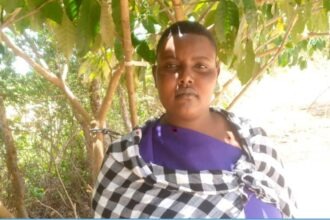
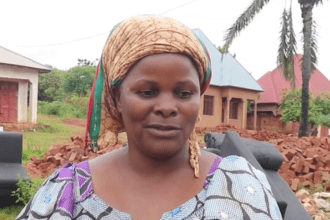
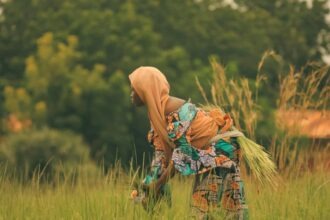
In Kanembwa Village in Kibondo District, Kigoma Region, the dreams of young entrepreneurs like Emmaculatha Samweli (28) are being affected by climate change and weak systems for sharing agricultural information.
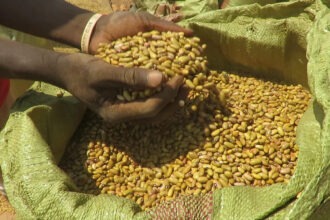
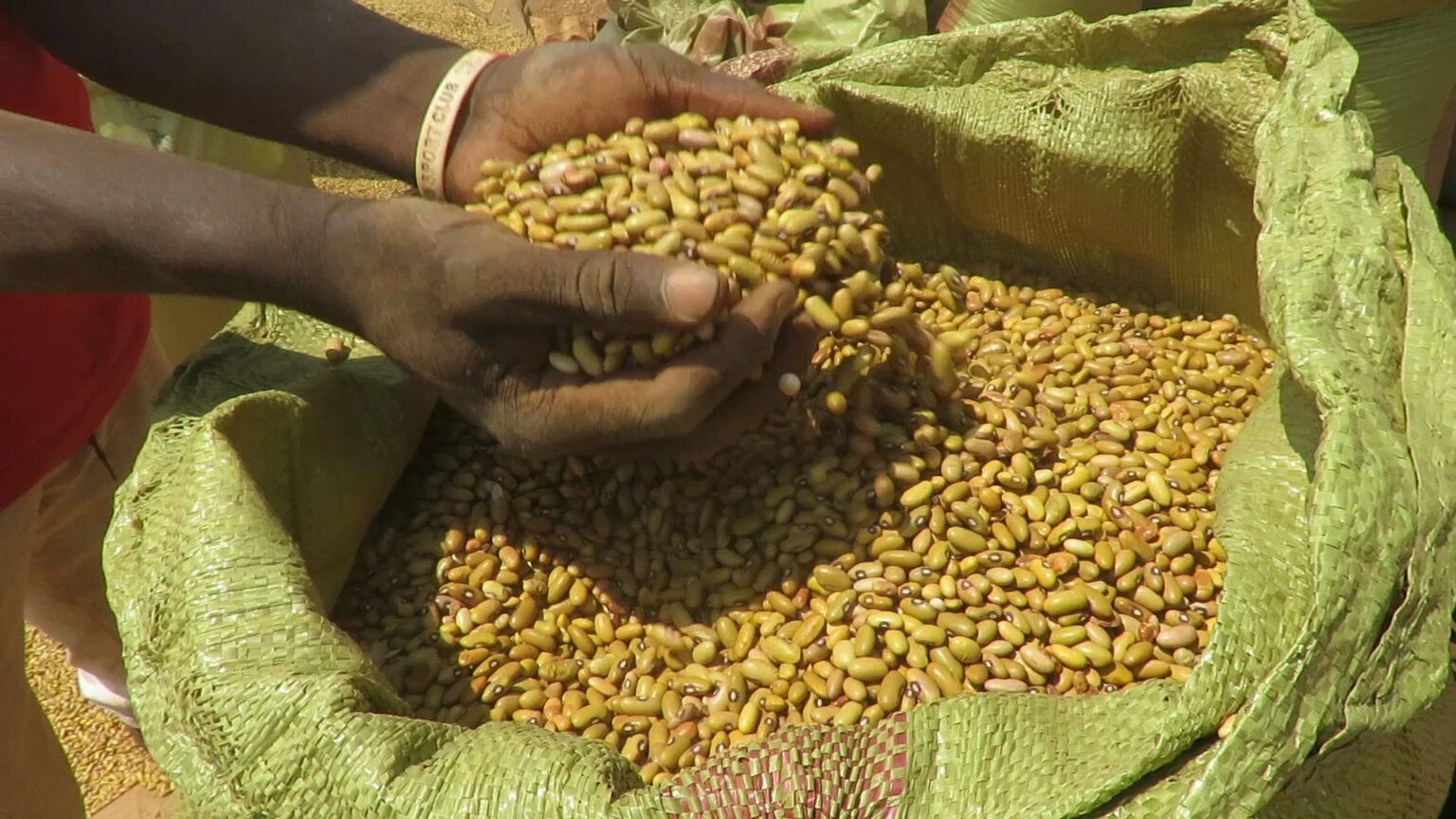
Samweli invested more than two million Tanzanian shillings in bean farming during the 2025/26 season. The money was used to prepare five acres of land, buy seeds and fertilizer, and pay farm workers. However, she harvested only one sack of beans weighing 200 kilograms, which is almost the same amount as the seeds she planted.
Weather Forecasts vs. Farmer Reality
This loss was not simply bad luck. It shows a communication gap where weather forecasts from the Tanzania Meteorological Authority (TMA), which predicted “average rainfall,” are not translated into simple language that can help small farmers decide what crops to grow and when to plant them.
A report from the United Nations Environment Programme (UNEP) warns that developing countries need up to 365 billion US dollars annually to address the effects of climate change. This raises a question: how are the billions of shillings allocated to projects in Kigoma helping the small farmer who loses millions without a crop insurance system?
Samweli started farming in October 2025. She spent more than 500,000 shillings preparing her five-acre farm, about 400,000 shillings buying 20 containers of bean seeds, and more than 500,000 shillings for fertilizer, workers’ wages, and their food for six months.
More Read

After planting in December, the rains stopped for more than a month, causing many of the seeds to dry in the field.
Because of this situation, Samweli says she had to change her plan together with her neighbor, who had planted 10 acres of beans. They decided to plant groundnuts to recover some of their losses.
However, during the harvest season, Samweli says she obtained only one sack of beans equal to 10 containers, or about 200 kilograms. This is almost the same amount she used as seed, meaning she lost more than two million shillings.
“I feel very discouraged. I wanted to invest in farming believing it would improve my life economically, but instead it has pushed me backwards. My only hope now is the groundnuts. Maybe I will harvest better because the rains have started again, although they are still not heavy,” says Samweli.
Financial Burden of Small-Scale Farming
What happened to Samweli and other farmers in the district raises questions about whether they receive clear weather information and proper advice on which crops to grow based on the actual rainfall season.
The Tanzania Meteorological Authority (TMA) predicted average to above-average rainfall for the northern Kigoma Region, including Kakonko and Kibondo districts, during the 2025 short-rain season. In simple terms, this means rainfall was expected to be normal or slightly higher than usual.
However, some farmers say the word “average” can be misleading if they do not understand how rainfall will be distributed throughout the season.
According to Kigoma Regional Agricultural Officer James Peter, citizens were informed about the changes and the possibility of low rainfall. He said farmers were advised to follow weather forecasts and also seek guidance from agricultural extension officers in their areas to avoid losses.
“We informed farmers about reduced rains through our extension officers in every ward. It is the responsibility of farmers to pay attention to such information, which helps them choose the right crops based on expert advice,” Peter said.
More Read

Bridging the Gap Between Policy and Practice
These challenges come at a time when Tanzania’s Development Vision 2050 aims to make the country an upper-middle-income nation with a one-trillion-dollar economy and an average income of 7,000 dollars per person. The vision also promises to strengthen resilience against climate change in key sectors such as agriculture and water.
However, for farmers like Samweli, these goals seem far from their daily reality. In many seasons, farmers continue to suffer losses, and even when they harvest well, crop prices—especially for cassava—often fall.
Annajesta Bagonza says that while the government promises a one-trillion-dollar economy, it has not clearly explained who will be responsible for the losses farmers face when unpredictable rains destroy their crops, especially when there is no crop insurance system or quick support for climate-related disasters.
“I suggest a formal compensation system for farmers who suffer losses. Some borrow from banks to farm; when such losses occur, how do they repay their loans? The government should consider these people to reduce stress, which later causes illnesses or even death,” Bagonza said.
The 2025 report by the United Nations Environment Programme (UNEP) on the climate adaptation gap shows that developing countries like Tanzania will need between 310 and 365 billion US dollars annually by 2035 to address climate change impacts. However, international funding is still far below what is required.
The report also states that in 2022, international public funding for climate adaptation in developing countries reached about 28 billion US dollars, leaving a large financial gap.
In 2025, the government launched a climate resilience project in Kigoma worth 19 million US dollars (more than 51 billion Tanzanian shillings). The project is being implemented in Kasulu, Kibondo, and Kakonko districts, targeting about 570,000 people and restoring around 42,000 hectares of forests damaged by farming activities.
More Read
The project mainly focuses on areas facing challenges related to refugees, including deforestation and the destruction of water sources caused by refugees from Burundi and the Democratic Republic of the Congo living in the Nduta, Nyarugusu, and Mtendeli camps.
However, small-scale farmers such as Matokeo Jumanne still question how such projects will directly help them in their farms, especially when they face losses that may discourage them from continuing farming.
“We want to see the impact of funds reaching farmers’ fields, yes, we see projects, we are trained, and we respond, but when losses occur, we don’t see the project helping the farmer,” Jumanne said.
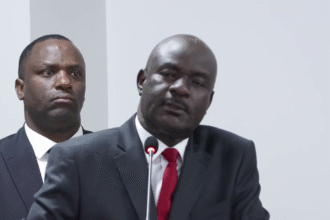
Speaking to journalists at the State House on February 16, 2026, the Minister for Foreign Affairs and East African Cooperation, Mahmoud Thabit Kombo, emphasized the importance of the country investing in local solutions instead of depending only on foreign aid.
However, as heat waves and drought continue to increase, the gap between the long-term vision of Vision 2050 and the real situation faced by farmers like Samweli remains very wide.